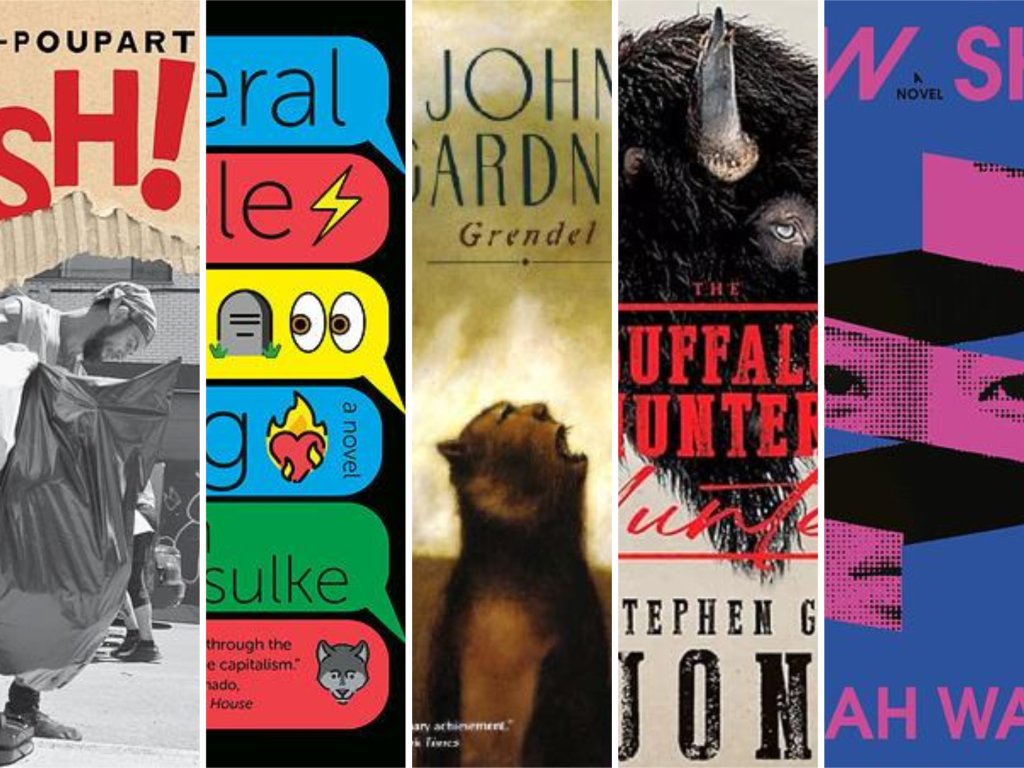

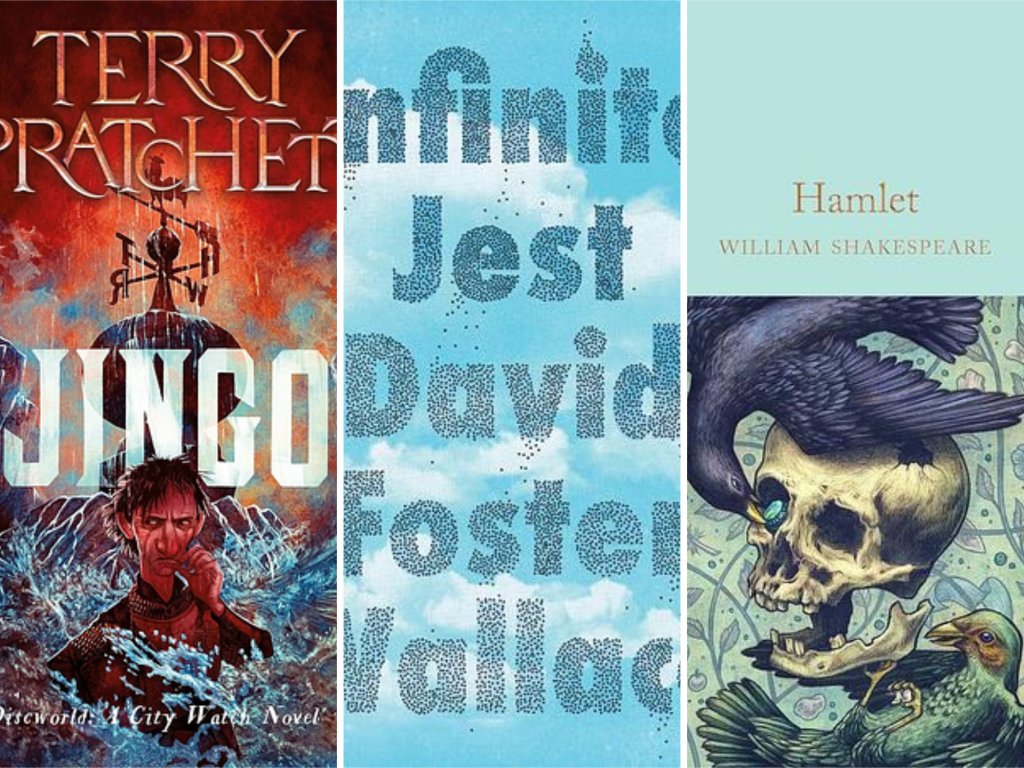
Readers, I have been sucked, inescapable-blackhole-style, back into Infinite Jest. I’m halfway through spaghettification. I read a couple books on the side, all of which I’ll briefly recap and give some quick thoughts on here. As usual, check out the Storygraph for trigger warnings before diving into any of these if you’re concerned. In September–you have my word–this wrap-up will contain two paragraphs about Infinite Jest and also some more Discworld. Nothing was Amazing this month, but that’s just how it goes sometimes. Here’s what I ended up reading.
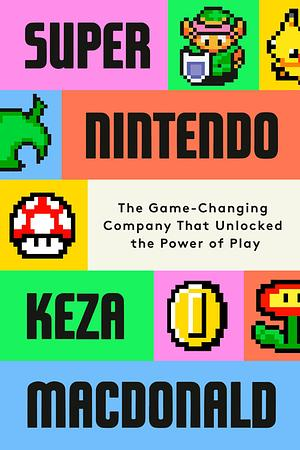
Super Nintendo: The Game-Changing Company That Unlocked the Power of Play by Keza MacDonald
nonfiction / video games
Keza MacDonald takes the reader on a tour through Nintendo’s past via deep dives into both their popular franchises and oft forgotten failures. Nintendo is famously tight-lipped about a lot of this stuff, something MacDonald openly grapples with, but she manages to wring some insight out of personal interviews with the figures behind Nintendo’s success.
I think if you are someone who vaguely knows about Nintendo games but hasn’t personally played a lot of them, this book would be perfect. It lays out what each game’s place is in culture, in video games, and how it came to be. Unfortunately, if you’re someone who is already nerdy about Nintendo (like, if you can differentiate between Splatoon 1 and 3 or if you can list Masahiro Sakurai’s contributions at Nintendo), there’s not so much here that it becomes a must-read. I wasn’t expecting a seedy underbelly to come to light or some extreme drama like that, but I was hoping there would be more that evoked a “woah, really?”
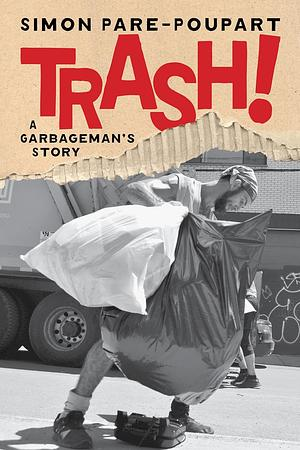
Trash! A Garbageman’s Story by Simone Paré-Poupart
nonfiction / memoir / essays
This is a pretty fun, easy read about the lives of garbageman as told by a man, Simone Paré-Poupart, who at one time needed to work in waste management and now does it for love of the game. For Paré-Poupart, running behind a garbage truck, throwing trash bags, and getting absolutely completely worn down is the best feeling in the world. The result is a book that is both a love letter to his fellow garbage collectors and to exhaustion itself. There’s other stuff here about the logistics of trash and the way the business works, but the parts where he’s really loving labor and his fellow troubled partners-in-collecting are the best.
Not a lot to say about this one; it’s short and sweet and pretty fun. Treat garbage people with respect. They are working their asses off.
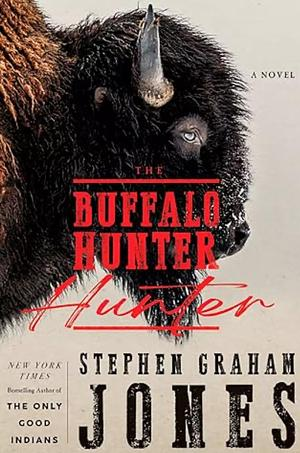
The Buffalo Hunter Hunter by Stephen Graham Jones
fiction / historical / horror
The opening pages of The Buffalo Hunter Hunter include men stripped of their skin left in “lumps” and, frankly, it doesn’t get much better for the average character written into this novel. Characters are shot, torn asunder, stampeded underhoof of horses, mutilated and not-killed-but-damn-near’d a whole lot in this novel. It’s horror. The premise is simple but it spirals out into a pretty complex, chilling novel. A Lutheran pastor (Arthur Beaucarne) lives in a small town in 1912 Missouri which is currently being stalked and terrorized by a vampire. This vampire, a Pikuni man named Good Stab, starts attending his services to confess to all the killing he has done in his life.
And yeah: Good Stab has killed a lot of people. This is a novel about the senseless and extreme violence visited to the indigenous people of this continent. It lives and dies by that. If The Buffalo Hunter Hunter is ever incomprehensible and almost parodically extreme, that’s because the violence it deliberately recreates was equally as nonsensical. Good Stab has no choice, as per this book’s sanguine but relatively consistent vampire logic, to Become the violence that has been done to him. This involves a lot of bad stuff, including but not limited to drinking so much blood that it bursts through the seams of his flesh. The novel is not without it’s faults; Arthur’s diary prose can be exhausting and the plot itself gets a little drawn out. Good Stab has no less than a half dozen near-death experiences, each with their own bevy of recuperation scenes. Overall, though, I liked it. A handful of scenes in here are practically already blocked for a great horror movie adaptation, too, and I’d watch that.
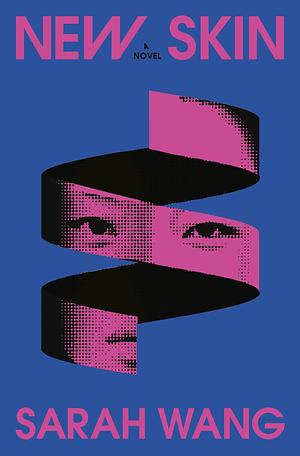
New Skin by Sarah Wang
fiction / litfic
New Skin is about Linli Feng, a twenty-something grad student that’s trying to escape the magnetic clutches of her self-destructive mother, Fanny. The inciting event of this (quite propulsive) novel is Fanny getting yet another botched, uncertified cosmetic surgery and getting roped into a criminal case due to her adjacent role in these illegal doctor rings.
Fanny has an idea to catapult herself out of this mess but the idea is, frankly, terrible. She’s going to be on a reality TV show about botched cosmetic surgeries. Her plan is to lie and cheat her way to the top to win the prize of Everything Is Fixed Now. This book is a handful of very watchable car crashes in slow motion. It’s about trauma and a strained, relatable mother-daughter relationship. A lot of the novel hinges on how little Linli seems to know her mother– especially how her mother used to be– signified by her mother’s complete physical transformation into something monstrous and alien-seeming. Under the mutilated skin it’s still her mother, though, a person she loves and is a lot alike. There’s some speedbumps here, especially in the end, but Wang’s debut is pretty impressive.
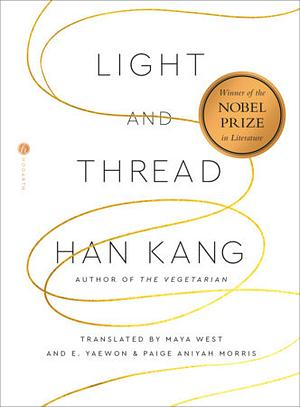
Light and Thread by Han Kang
nonfiction / essays / poems
Light and Thread, unfortunately, didn’t do anything for me. This is a series of essays, poems, and diary entries from celebrated novelist Han Kang. There is the occasional good tidbit; I liked the opening transcribed lecture and a couple of the diary entries. Just about everything else was unsubstantial and unmemorable to me. To be fair, I haven’t read any of Kang’s novels, the writing of which she elucidates through a lot of this book. The novels do sound like they’d be pretty good. What I got from this was: read the novels instead.
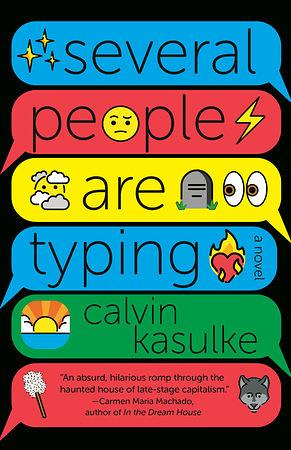
Several People Are Typing by Calvin Kasulke
fiction / litfic
I discovered this book via a great essay by Hannah Nicklin who discussed how technology mediates our relationship with work. Seeing the back-of-the-book quotes (I think it gets called like “LOL funny” and “a modern The Office” or some shit like that) did scare me a little bit, but I’m glad I stuck with it.
Several People are Typing is a lot of things. It’s a comedy romance existential epistolary novel told entirely through workplace Slack channels. Our protagonist’s consciousness has been absorbed into the Slack which, yeah, obviously sucks for him but also makes him an ideal worker. For such an easy, quick read, Calvin Kasulke gets a lot done and does it well. The way characters type feels appropriate and, honestly, completely Nailed–I’ve been in many group chats with “bits” eerily mirroring the stuff in here. But it’s more than just accurate; it’s an ambitious, funny, and sometimes scary novel. There are even some really prescient meditations on the nature of the internet that caught me off guard. You could read this in like, ninety minutes or something, and I think you’d be happy you did.
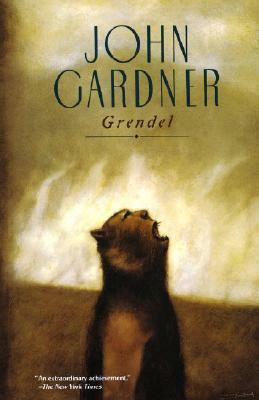
Grendel by John Gardner
fiction / classics
Everyone is discoursing about The Odyssey but we can’t forget about Beowulf. There’s a lot to be mined from that epic, and I remember really liking it when I read it in college. But I don’t recommend this novel, because although it is Beowulf fanfiction, it is deeply frustrating Beowulf fanfiction.
This novel takes the titular Grendel, felled by Beowulf in beloved epic Beowulf, and gives them a whole novel where they roam around and whine and be nihilist and post-structuralist at things. It’s sort of interesting, I suppose, to imagine the evils of Beowulf as the different monsters of philosophy. There’s even something to be said for the way Grendel is displaced by greater evils, but it’s interesting in a way that makes me want to argue against it! Taking this timeless epic and doing “these classic monsters actually had the ideologies I hate and spent their time monologuing about how nothing matters; look at how annoying they are!” is annoying! I think we are, at times, meant to empathize with Grendel (I didn’t), but the same cannot be said for his poor mother or the philosophizing Dragon, both of whom get the short end of an already short stick.
At times, it felt like a parody of modern literature. I think I just hate the prose, though– it’s meant to be funny when Grendel says bad words or gives a middle finger to the sky, for instance. I didn’t like it that much.

Leave a Reply